Ketamine's Role in Treating Depression Revealed Through PET Imaging
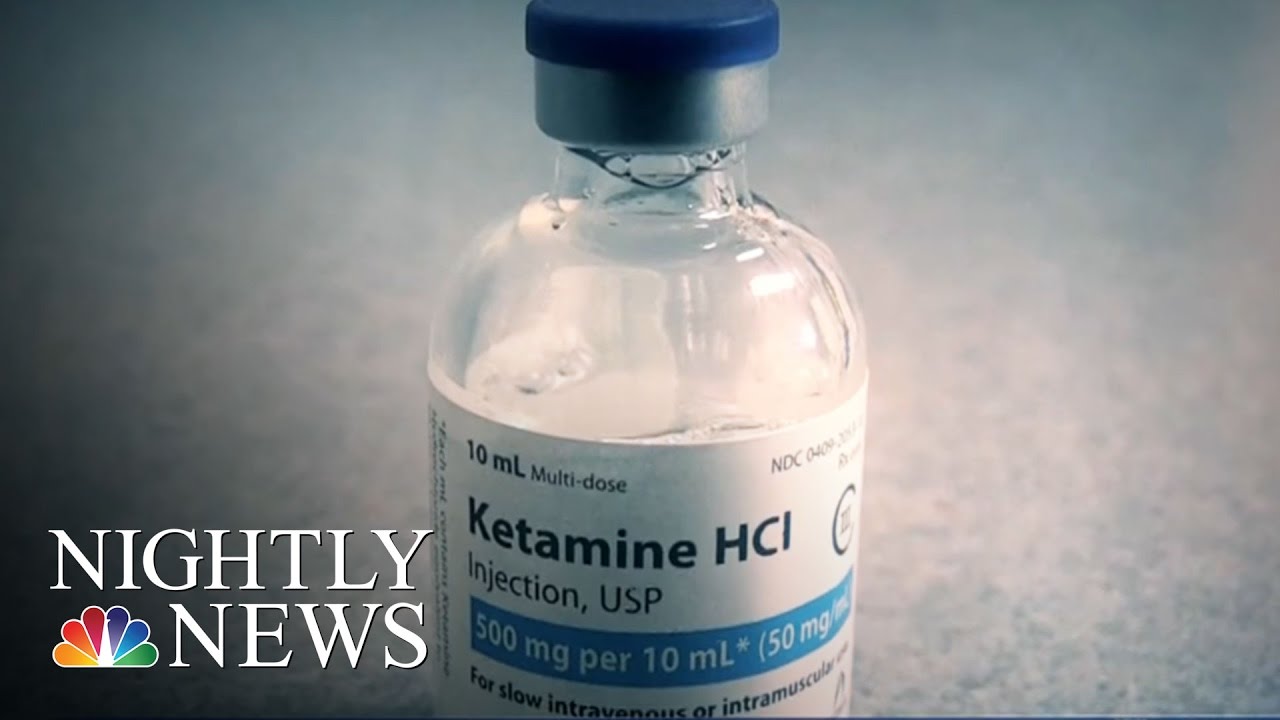
A recent **PET imaging study** published in a reputable medical journal has made significant strides in understanding how **ketamine** relieves **treatment-resi
Summary
A recent **PET imaging study** published in a reputable medical journal has made significant strides in understanding how **ketamine** relieves **treatment-resistant depression**. Approximately **30%** of patients with **Major Depressive Disorder (MDD)** do not respond to traditional treatments, making this discovery a crucial step forward. The study utilized **PET imaging** to visualize the brain's response to ketamine, revealing its impact on **neurotransmitter systems**. This research has the potential to improve treatment options for individuals struggling with **depression**. For more information on **ketamine** and its effects, see [[ketamine|Ketamine]]. The study's findings also highlight the importance of **neuroimaging techniques** in understanding the neural mechanisms underlying **depression**, as discussed in [[neuroimaging|Neuroimaging]].
Key Takeaways
- Ketamine has been shown to produce rapid antidepressant effects in patients with treatment-resistant depression
- PET imaging has provided valuable insights into the neural mechanisms underlying ketamine's effects
- Further research is needed to determine the optimal dosage and treatment duration for ketamine in patients with MDD
- The use of ketamine for depression requires careful consideration of its potential benefits and risks
- The development of effective treatments for depression is crucial for improving mental health outcomes
Balanced Perspective
While the study's findings are promising, it is essential to approach the use of **ketamine** for **depression** with caution. **Ketamine** is a powerful medication with potential side effects, and its long-term efficacy and safety have not been fully established. Further research is needed to determine the optimal dosage and treatment duration for **ketamine** in patients with **MDD**. As discussed in [[ketamine-treatment|Ketamine Treatment]], the use of **ketamine** for **depression** requires careful consideration of its potential benefits and risks.
Optimistic View
This study offers new hope for individuals struggling with **treatment-resistant depression**, as **ketamine** has been shown to produce rapid and significant improvements in **mood**. The use of **PET imaging** has provided valuable insights into the neural mechanisms underlying **ketamine's** effects, paving the way for the development of more effective treatments. As noted by **Dr. John Krystal**, a leading researcher in the field, **ketamine** has the potential to revolutionize the treatment of **depression**. For more information on **Dr. John Krystal**, see [[john-krystal|Dr. John Krystal]].
Critical View
Despite the study's findings, the use of **ketamine** for **depression** is not without controversy. Some experts have raised concerns about the potential for **ketamine** to be used as a 'quick fix' for **depression**, rather than addressing the underlying causes of the condition. Additionally, the study's small sample size and limited follow-up period raise questions about the generalizability of the results. For more information on the **controversies surrounding ketamine**, see [[ketamine-controversy|Ketamine Controversy]].
Source
Originally reported by Medical Xpress