Ketamine's Rapid Antidepressant Action Revealed Through PET Imaging
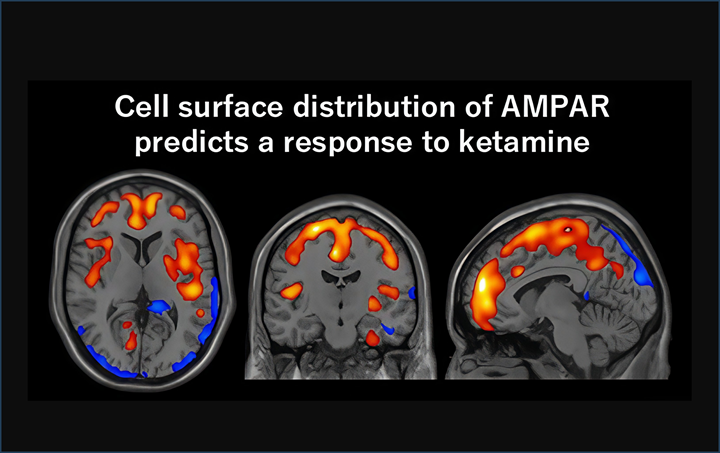
Researchers at **Yokohama City University** have used **PET imaging** to visualize the molecular brain changes that explain **ketamine**'s rapid antidepressant
Summary
Researchers at **Yokohama City University** have used **PET imaging** to visualize the molecular brain changes that explain **ketamine**'s rapid antidepressant action. This study provides new insights into the mechanisms behind **ketamine**'s effectiveness in treating **treatment-resistant depression**. The findings have significant implications for the development of new treatments for depression. [[ketamine|Ketamine]] has been shown to have rapid antidepressant effects, but the exact mechanisms behind its action were not well understood. The study used **PET imaging** to examine the brain changes associated with **ketamine** treatment. The researchers found that **ketamine** increased the release of **glutamate**, a neurotransmitter that plays a key role in mood regulation. This increase in **glutamate** release was associated with improved mood and reduced symptoms of depression. The study's findings have important implications for the treatment of **depression**, particularly for patients who have not responded to traditional treatments. [[depression|Depression]] is a complex condition that affects millions of people worldwide, and new treatments are urgently needed. [[yokohama-city-university|Yokohama City University]] is a leading institution in the field of medical research, and this study demonstrates the university's commitment to advancing our understanding of the brain and developing new treatments for mental health conditions.
Key Takeaways
- The study's findings provide new insights into the mechanisms behind ketamine's effectiveness in treating treatment-resistant depression
- Ketamine has been shown to have rapid antidepressant effects, and the use of PET imaging has provided a detailed understanding of how the drug works
- The study's results have important implications for the development of new treatments for depression
- Further studies are needed to fully understand the mechanisms behind ketamine's action and the potential risks and limitations of ketamine as a treatment for depression
- Ketamine may be a viable treatment option for patients with treatment-resistant depression
Balanced Perspective
The study's findings provide new insights into the mechanisms behind **ketamine**'s effectiveness in treating **treatment-resistant depression**. The use of **PET imaging** allowed the researchers to visualize the molecular brain changes associated with **ketamine** treatment, providing a detailed understanding of how the drug works. The study's results have important implications for the development of new treatments for **depression**, and highlight the potential of **ketamine** as a treatment option for patients who have not responded to traditional treatments. However, further studies are needed to fully understand the mechanisms behind **ketamine**'s action, and to determine the long-term effectiveness of **ketamine** as a treatment for **depression**. [[depression-treatment|Depression treatment]] is a complex field, and this study demonstrates the need for continued research into the mechanisms behind **ketamine**'s action.
Optimistic View
The study's findings are a major breakthrough in the treatment of **depression**, and provide new hope for patients who have not responded to traditional treatments. **Ketamine** has been shown to have rapid antidepressant effects, and the use of **PET imaging** has provided a detailed understanding of how the drug works. The study's results have significant implications for the development of new treatments for **depression**, and highlight the potential of **ketamine** as a treatment option for patients who have not responded to traditional treatments. [[ketamine-treatment|Ketamine treatment]] could be a game-changer for patients with **treatment-resistant depression**, and this study demonstrates the potential of **ketamine** as a treatment option. The study's findings are also significant because they provide new insights into the mechanisms behind **ketamine**'s effectiveness, and highlight the importance of continued research into the mechanisms behind **ketamine**'s action.
Critical View
While the study's findings are significant, they also raise important questions about the potential risks and limitations of **ketamine** as a treatment for **depression**. The use of **PET imaging** has provided a detailed understanding of how **ketamine** works, but the study's results also highlight the need for further research into the mechanisms behind **ketamine**'s action. The study's findings are also limited by the small sample size, and further studies are needed to determine the long-term effectiveness of **ketamine** as a treatment for **depression**. [[ketamine-side-effects|Ketamine side effects]] are a concern, and the study's findings highlight the need for careful consideration of the potential risks and benefits of **ketamine** as a treatment for **depression**.
Source
Originally reported by www.yokohama-cu.ac.jp