Ketamine: Revolutionizing Depression Treatment at Yale
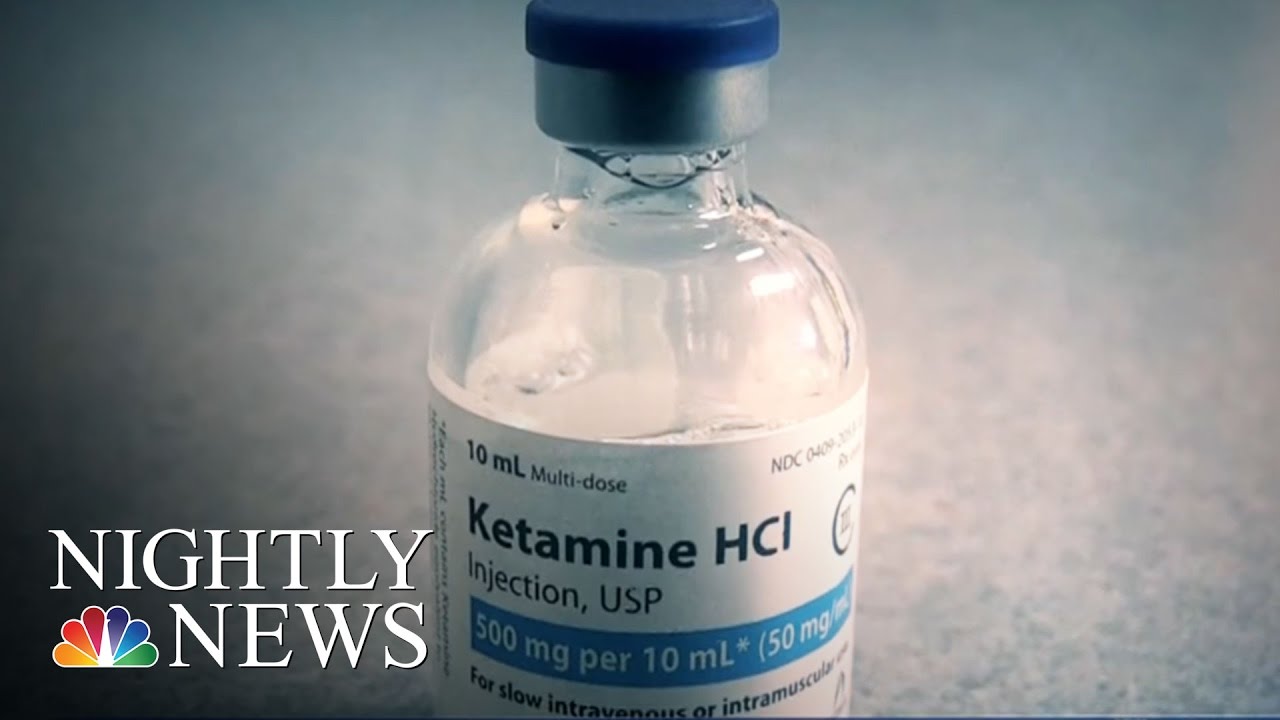
The **Yale School of Medicine** has made a significant breakthrough in depression treatment with **ketamine**, a medication that has been shown to rapidly reduc
Summary
The **Yale School of Medicine** has made a significant breakthrough in depression treatment with **ketamine**, a medication that has been shown to rapidly reduce symptoms of depression. Led by **John Krystal**, a Yale psychiatrist, the discovery has led to the development of **esketamine**, a nasal spray approved by the FDA for treatment-resistant depression. This innovation has transformed mental health care, offering new hope for patients who have not responded to traditional treatments. The research has also sparked interest in the potential of **ketamine** to treat other mental health conditions, such as **anxiety** and **post-traumatic stress disorder (PTSD)**. [[ketamine|Ketamine]] has been found to have a rapid antidepressant effect, with some studies showing significant improvement in symptoms within hours of administration. [[depression|Depression]] is a complex and debilitating condition that affects millions of people worldwide, and the discovery of **ketamine's** potential as a treatment is a major breakthrough. [[yale-school-of-medicine|Yale School of Medicine]] has been at the forefront of this research, and their findings have the potential to improve the lives of countless individuals.
Key Takeaways
- Ketamine has been shown to have rapid antidepressant effects in some studies
- Esketamine has been approved by the FDA for treatment-resistant depression
- John Krystal is a Yale psychiatrist who has led research on ketamine as a depression treatment
- More research is needed to fully understand the effects of ketamine
- The development of esketamine has been driven by pharmaceutical companies, which raises questions about conflicts of interest and profit motives
Balanced Perspective
The use of **ketamine** as a depression treatment is a complex issue, with both potential benefits and risks. While the rapid antidepressant effects of **ketamine** are promising, more research is needed to fully understand its efficacy and safety. [[esketamine|Esketamine]] has been approved by the FDA, but its use is still limited to treatment-resistant depression, and more studies are needed to determine its potential for other mental health conditions. As with any new treatment, there are also concerns about **side effects**, **addiction potential**, and **accessibility**. [[yale-school-of-medicine|Yale School of Medicine]] is taking a cautious approach, emphasizing the need for further research and careful consideration of the potential benefits and risks.
Optimistic View
The discovery of **ketamine's** potential as a depression treatment is a game-changer for mental health care. With its rapid antidepressant effects, **ketamine** has the potential to revolutionize the way we treat depression, offering new hope for patients who have not responded to traditional treatments. [[john-krystal|John Krystal]] and his team at **Yale School of Medicine** are pioneers in this field, and their work is paving the way for a new era of innovative treatments. As research continues to uncover the full potential of **ketamine**, we can expect to see significant improvements in patient outcomes and a reduction in the burden of depression on individuals and society.
Critical View
The hype surrounding **ketamine** as a depression treatment is premature, and we need to be cautious about the potential risks and limitations. While **ketamine** has shown promise in some studies, the evidence is still limited, and more research is needed to fully understand its effects. [[ketamine-abuse|Ketamine abuse]] is a significant concern, and the potential for **addiction** and **side effects** cannot be ignored. Furthermore, the development of **esketamine** has been driven by **pharmaceutical companies**, which raises questions about **conflicts of interest** and **profit motives**. We need to approach this new treatment with a critical eye, considering both the potential benefits and the potential risks.
Source
Originally reported by Yale School of Medicine